
5 Signs Your Website Is Costing You Customers (And What to Fix in 2026)
Many SMEs believe their website is “good enough” — until they realise it’s quietly driving potential customers away. In 2026, small issues compound into real revenue loss.
Your website might look acceptable on the surface, but performance issues often hide in plain sight. Slow load times, unclear messaging, or outdated structure can all cost you enquiries without you noticing.
Here are five common signs your website may be hurting your business — and what SMEs should prioritise fixing in 2026.
1. Visitors Leave Without Taking Action
If people visit your site but don’t enquire, book, or contact you, it’s usually a clarity problem. Visitors should immediately understand what you do and what to do next.
In 2026, attention spans are short. Websites must guide users intentionally, not force them to guess.
2. Your Website Feels Slow or Unresponsive
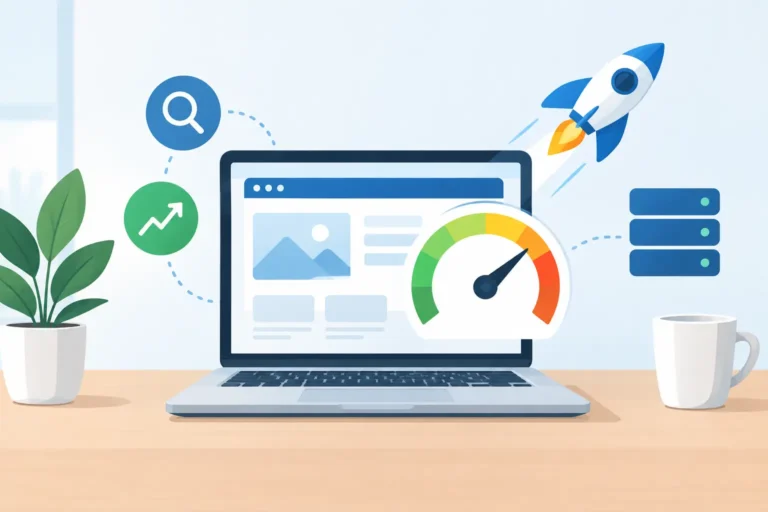
Speed is no longer a “nice-to-have”. A slow website signals poor quality and lack of professionalism. Many users won’t wait more than a few seconds before leaving.
Bloated themes, cheap hosting, and unoptimised media are common causes — especially for SMEs who haven’t reviewed their setup in years.
3. It Looks Fine, But Doesn’t Convert
Design isn’t just about aesthetics. A visually pleasing site can still fail if the structure doesn’t support conversion.
Weak calls-to-action, poor content hierarchy, and confusing navigation all reduce trust. In 2026, websites must balance form and function.
4. Your Website Doesn’t Support Ads or SEO
Running ads or SEO without a strong website foundation is like pouring water into a leaking bucket. Traffic alone doesn’t create results — the website must do the heavy lifting.
SMEs often waste ad spend because their website isn’t designed to capture or qualify leads properly.
5. You’ve Outgrown the Original Setup
What worked when you started may no longer support your current business. New services, new markets, and new customer expectations require updates.
In 2026, websites should evolve alongside the business — not remain frozen in time.
What Should SMEs Do Next?
If any of these signs sound familiar, it may be time for a website health review. Small improvements to structure, speed, and messaging can unlock significant gains.
A website should not just exist — it should actively support growth.